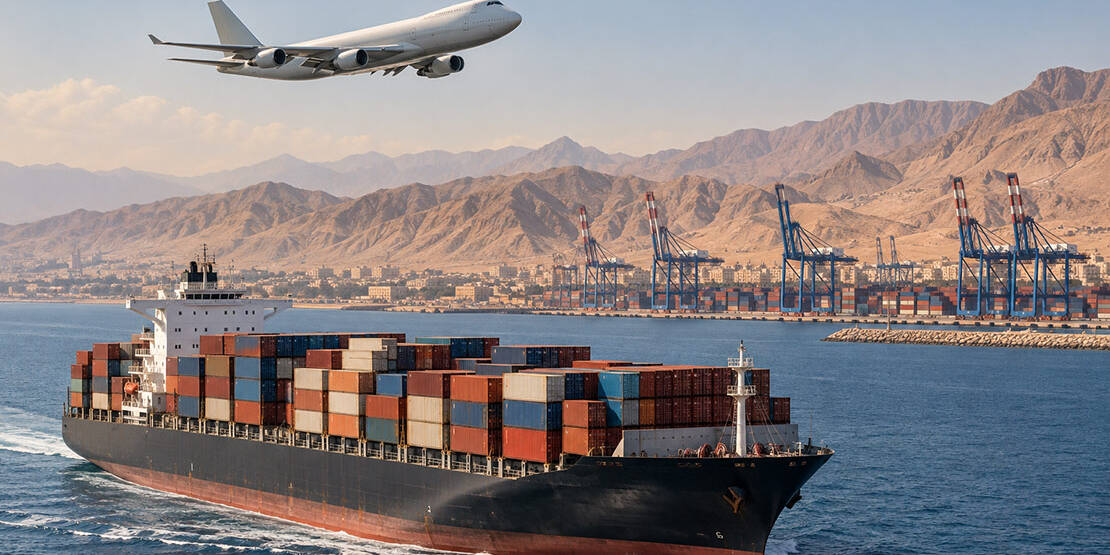

As tensions continue across parts of the Middle East, global logistics markets are beginning to see measurable impacts across multiple transport modes. While the situation remains fluid and continues to evolve, several developments are already influencing transportation networks and freight pricing.
Ocean Freight
Although the Strait of Hormuz is not a primary routing lane for most Asia – Europe container services, continued instability in the region is influencing container shipping costs through rising marine fuel prices and wider operational risk.
Major carriers have now begun implementing revised freight rates and bunker related surcharges, citing increased fuel costs and wider network disruption across global services.
In addition, security considerations across the wider region continue to influence routing decisions. Where vessels maintain diversions away from higher risk areas, longer sailing distances can affect vessel utilisation and schedule reliability across global services.
Road Transportation
Oil prices have risen in response to regional instability, and this is beginning to filter through to transport costs. Fuel prices across parts of the UK have already shown small increases.
Westbound has now received notification from several haulage providers that fuel surcharges are being increased, reflecting the impact of rising diesel costs on road transport operations. These adjustments are expected to affect both domestic UK haulage and European road freight services.
If oil prices remain elevated, further fuel related adjustments across the road transport sector may follow.
Air Freight
Air freight networks are also experiencing disruption as some airlines adjust routes or suspend services in parts of the region where airspace restrictions remain in place.
Because many long haul cargo services typically rely on Middle Eastern hub airports, these changes are influencing wider global air freight flows. Capacity across some Asia–Europe lanes has tightened, with upward pressure already visible on pricing.
Industry Resilience Amid Ongoing Disruption
While the situation continues to evolve, the logistics sector has demonstrated significant resilience in recent years.
Events such as the COVID-19 pandemic, the Suez Canal blockage and the Red Sea shipping disruptions have shown how quickly global supply chains can adapt to changing circumstances. These experiences continue to strengthen the industry’s ability to respond to unexpected disruption.
The Westbound team are continuing to monitor:
• carrier service updates and surcharge announcements
• oil price movements and bunker cost trends
• airspace restrictions affecting cargo routes
• schedule reliability across key trade lanes
As carriers and transport providers continue implementing fuel related surcharges, we will review any impact on transport costs and keep customers informed of developments.
As always during periods of uncertainty, our focus remains on maintaining stability wherever possible, identifying alternative routing solutions and supporting our customers as the situation evolves.
If you have any questions regarding the above, Westbound is here to help.
At Westbound Logistics we pride ourselves in offering personalised and tailored logistics solutions. To find out more please call 01375 800800 or email [email protected].