

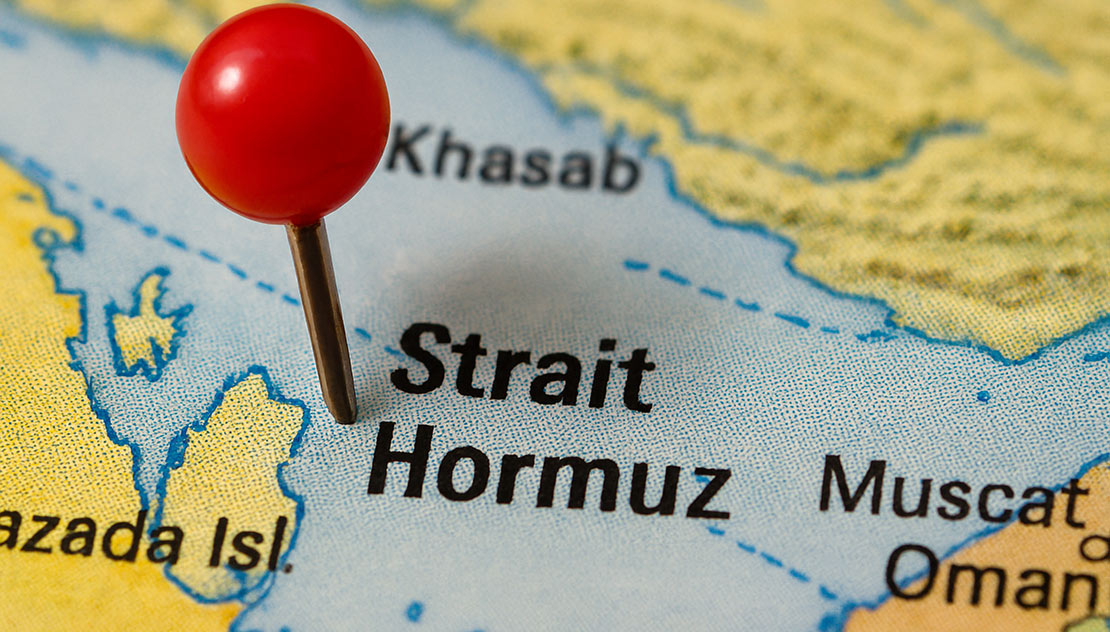
The US-Iran framework agreement aimed at restoring stability in the Middle East, together with reports that the Strait of Hormuz is expected to reopen on Friday, has already had a positive impact on global markets.
But what has changed, and what should businesses expect in the coming weeks?
Fuel Surcharges
Oil prices have fallen below $80 per barrel this week, marking a significant retreat from conflict highs of almost $120 per barrel. Over time, lower crude oil prices should help ease carrier and transport fuel surcharges. However, bunker fuel and diesel prices typically lag movements in the crude market, meaning any reduction in shipping and transport related fuel surcharges is unlikely to be immediate.
Ocean Freight
The currently ‘expected’ reopening of the Strait of Hormuz is unlikely to result in an immediate return to normal shipping operations. Carriers will first need to conduct their own security assessments and may require clearance from naval authorities before resuming regular transits. Safe passage must be confirmed, potentially including the removal of mines or other navigational hazards.
With the reported agreement currently covering only a 60-day period, carriers are expected to remain cautious. Even if the arrangement holds, shipping lines will likely take time before fully restoring sailing schedules and service patterns.
Should a large number of delayed vessels re-enter the Gulf simultaneously, congestion could develop at ports across the Middle East. Likewise, a surge of outbound departures may place additional pressure on ports further along global trade routes, particularly as the Asian peak shipping season gathers momentum.
Questions also remain over future transit costs through the Gulf. While President Trump has stated that vessels will be able to use the Strait “toll-free”, Iranian state media have suggested that service fees could be introduced under a joint management arrangement with Oman.
Cargo Insurance
Cargo insurance is another area that may see movement. War-risk premiums rose sharply during the disruption, reflecting the increased risks faced by vessels. Although a sustained period of stability should lead to a reduction in these premiums, costs are likely to remain elevated until shipping activity normalises and confidence in the region is fully restored.
In Summary
If the Strait of Hormuz reopens as expected on Friday, it will represent a positive step for global logistics and supply chains. While early market reactions have been encouraging, the situation remains fluid and a lasting resolution has yet to be secured.
Westbound will continue to monitor developments closely. In the meantime, businesses should remain cautious and continue to factor the potential for disruption into their supply chain planning until longer-term stability is established.
At Westbound Logistics we pride ourselves in offering personalised and tailored logistics solutions. To find out more please call 01375 800800 or email [email protected].
Become a Westbound VIP
From simpler bookings, communication, and collaboration to reporting, insights, and more, our intuitive cloud platform puts everything in one place. So you get control, efficiency, and transparency, and a launchpad for your supply chain.
Related Posts