
Iran’s recent move to impose tolls on vessels transiting the Strait of Hormuz is already reshaping the conversation around maritime trade security and potentially setting a precedent.
According to Iranian officials, the first revenues from these tolls have now been deposited into the Central Bank of Iran, signaling that the policy is not just symbolic but operational.
This development is raising concern among global analysts. A UK-based security source has recently suggested that the Houthi movement have been discussing plans to replicate this model at the Bab el-Mandeb a critical passage linking the Gulf of Aden to the Red Sea. At just 20 miles wide at its narrowest point, the strait is even tighter than Hormuz, amplifying its strategic importance.
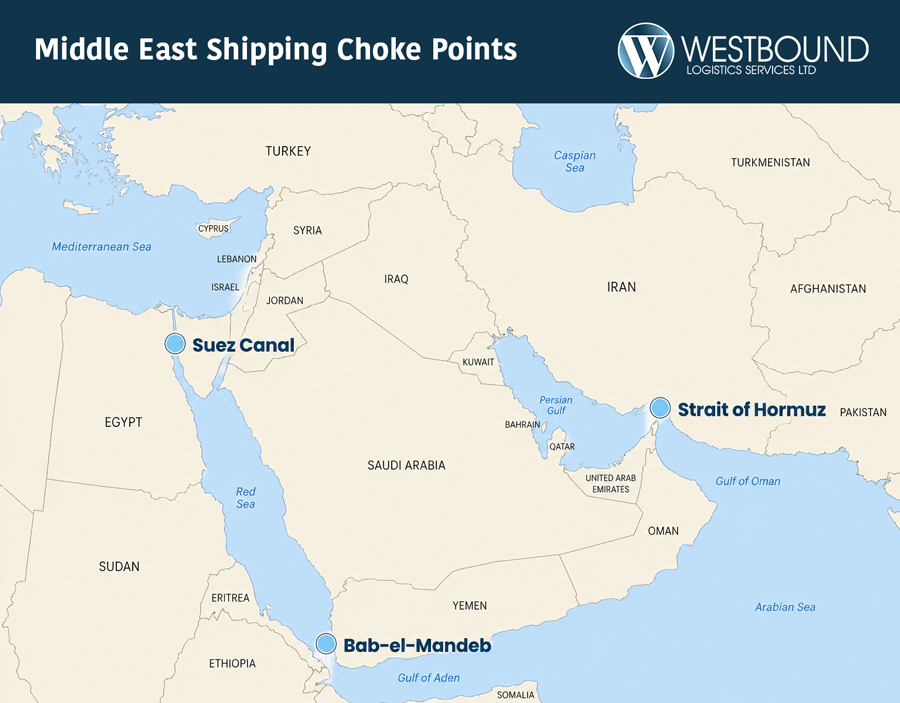
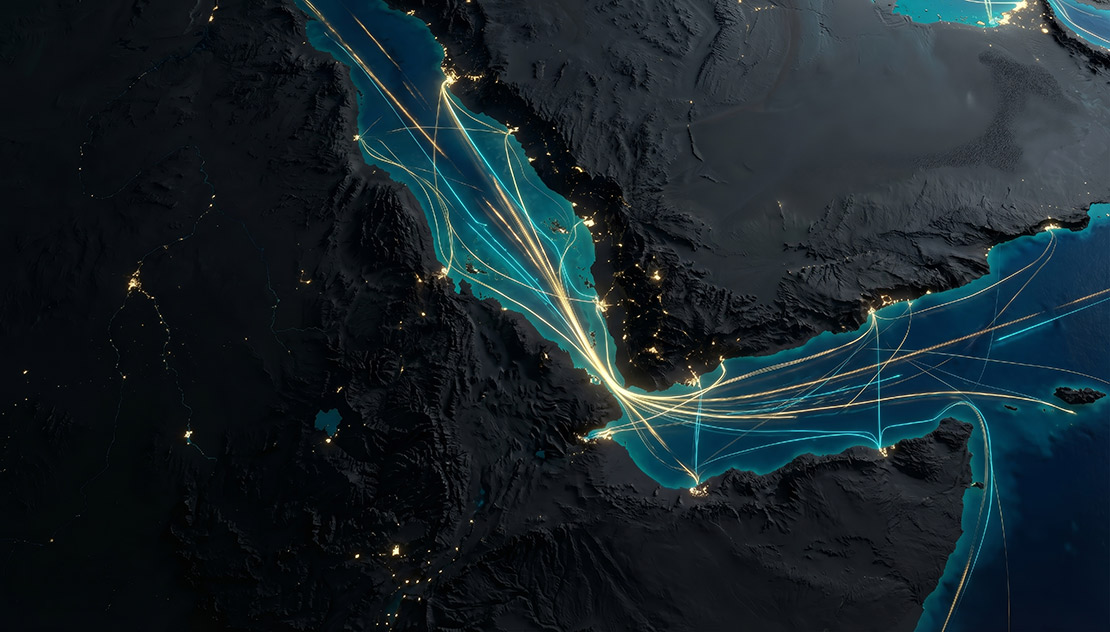
Since late 2023, Houthi forces have targeted commercial vessels in and around the Bab el-Mandeb, forcing most ocean freight carriers to reroute around Africa. The introduction of tolls would mark a shift from disruption to structured control, potentially formalising their influence over one of the world’s most vital shipping lanes.
Such a move would almost certainly face strong international opposition, much like Iran’s toll system. Yet it raises a broader question: could toll collection become normalised across key maritime chokepoints? With the Suez Canal already legally charging for passage, the prospect of three toll points in the Middle East, with two along the Asia-Europe trade route is perhaps what the future holds.
If realised, this would significantly alter the economics and geopolitics of global shipping.
At Westbound Logistics we pride ourselves in offering personalised and tailored logistics solutions. To find out more please call 01375 800800 or email [email protected].
Become a Westbound VIP
From simpler bookings, communication, and collaboration to reporting, insights, and more, our intuitive cloud platform puts everything in one place. So you get control, efficiency, and transparency, and a launchpad for your supply chain.
Related Posts